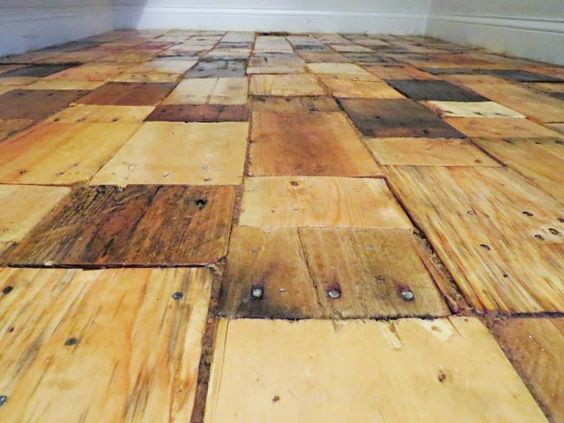
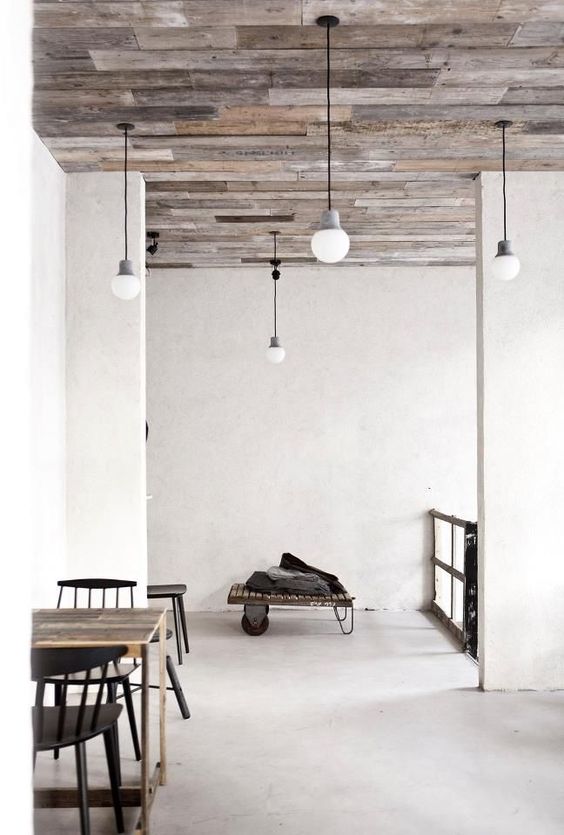
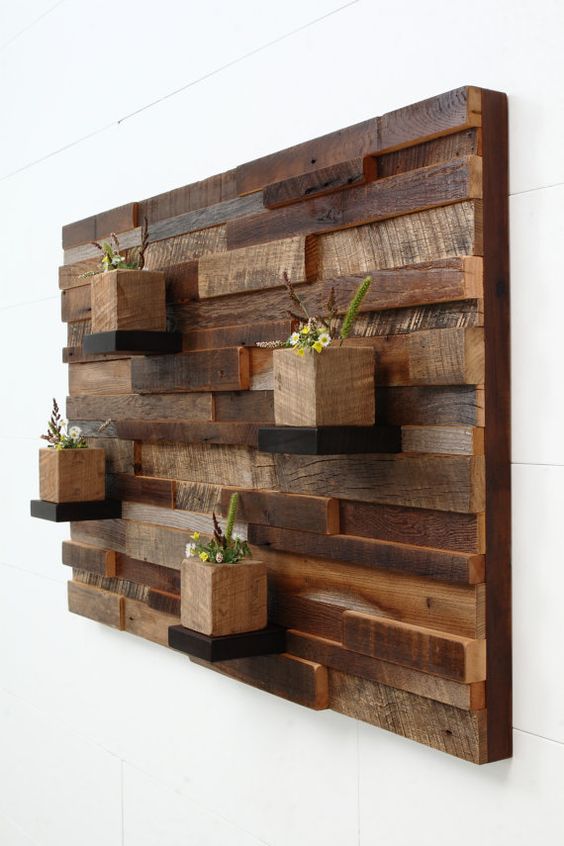
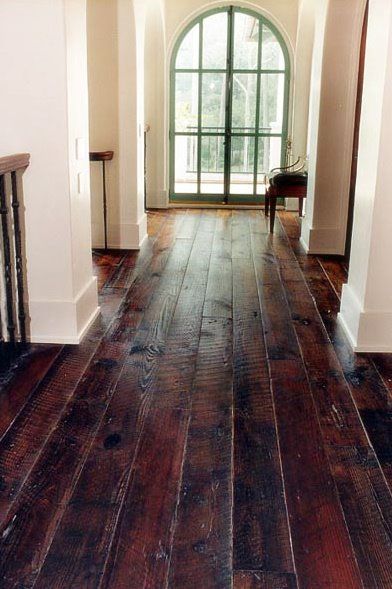
Choose a color

Paint interestingly !

Varnish

Varnishes are many and varied, as are their types – varnishes for wood, varnishes for metal, nail polishes and hair sprays. This time we will look at varnishes for wood processing.

Polyuteran varnishes

Polyuteran varnish is a very high quality polymerization resin varnish, which after hardening forms a very wear-resistant coating, so it can be used in intensively used rooms. The varnish is resistant to water and chemical factors, it can be used both outdoors and indoors. The varnish is resistant to UV rays (does not turn yellow). The varnish glues the wood well, it is useful when varnishing parquet.
There are two types of polyurethane varnishes (one-component and two-component). Their difference is in the types of hardening – one-component varnish hardens with the help of air humidity, but two-component varnish hardens during a chemical reaction between the varnish and the catalyst mixed with it.
The negative properties of the varnish are its fumes (odor) and dust attraction during the hardening of the varnish.

Acrylic varnishes (dispersions)

These varnishes are water-based (ecological), so when working with these varnishes there is much less fumes (odor), and they can be used in rooms where people stay. Also, these varnishes can be used in rooms where there is a risk of fire and explosion, because the varnish does not contain solvents, therefore it is non-flammable. When applied, these varnishes form an even (milky) coating, without highlighting the wood structure. Maintains the brightness of the floor over time and the varnish dries quickly, work tools can be washed with water.
The negative properties of the varnish are their low abrasion resistance compared to polyurethane varnishes, therefore it is not recommended to apply it on intensively loaded surfaces.

Alkyd varnishes

Alkyd varnishes are based on artificial resins, they are more suitable for the treatment of lightly loaded surfaces. The varnish is deeply absorbed into the wood, thus highlighting the wood structure as much as possible and a unique wood color is obtained. Such varnishes will look best in a matte form, making the surface look silky soft. It is recommended to apply the varnish in thinner layers as much as possible, thus achieving a more attractive appearance and avoiding the varnish wrinkling.
The negative properties of the varnish are their relatively low abrasion resistance, but as an alternative, it is possible to use an alkyd-urethane varnish.

Varnish with acid hardener

Varnishes are based on formaldehyde resin and have the highest abrasion resistance, so they are used in places where the surface is exposed to intensive use. Formaldehyde slightly darkens the surface. Varnishes of this type are easy to polish and on the surface they will look best in a shiny way. Like polyurethane varnish, this one glues well to wooden details that are not insignificant for parquet.
The negative properties of the varnish are its fumes, during the drying and laying process, work in rooms with good ventilation and accessories (gloves, respirators, etc.)

Nitrolac (nitrocellulose lacquer)

The advantage of Nitrolak is its short drying time (approx. 1-2h) and drying between coats (approx. 20 min). It is mainly used for processing furniture and other wooden parts. Nitrolac is applied with a brush, foam roller or spray.
The negative properties of the varnish are the increased fire hazard when applied, as well as its low abrasion resistance.

Good to know!

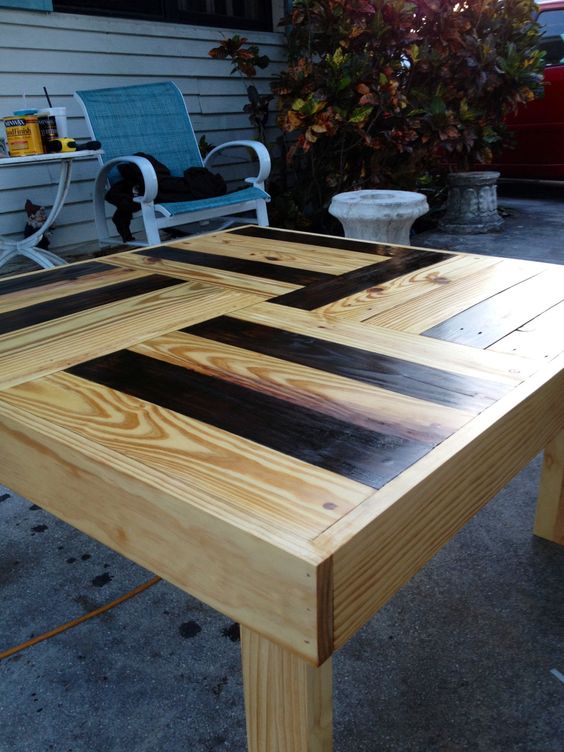
Before applying a layer of varnish to the wood, before varnishing it is possible to tint it in a shade of your choice, or to tint the varnish (eg making pine more like oak). This shade will also help protect the wood from UV rays, or burn out the wood structure.

In order to make the wood very light (white), it can be bleached before varnishing with a bleach.

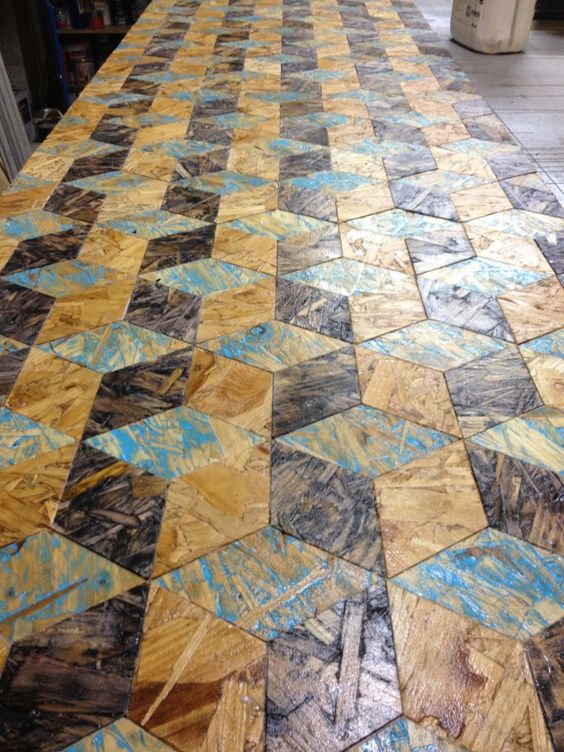
The floor can be made more interesting if, after the first coat of varnish, we paint an ornament or drawing on it, do it with oil paints and then cover it with a coat of varnish.